Exploring the Depths of Puzzle Movies: An In-Depth Study


Intro
Puzzle movies, with their labyrinthine plots and subtle intricacies, have captivated audiences for decades. These films invite viewers not merely to watch, but to engage in a delightful intellectual duel, decoding narratives that often twist and turn like a winding road. We're looking at a genre where the reward for the viewer's active participation is significant—when done right, these films leave you with an echo of thought long after the credits roll.
Some of the key attributes of puzzle movies are their unconventional storytelling techniques, which challenge the norm. Just think of films like "Memento" or "Inception"; they don't just deliver a straightforward tale. Instead, they weave a complex web that requires the audience’s full attention and sharp wits. The overarching theme of unraveling a mystery becomes not just the backbone of the story but an immersive experience for the viewer.
As we explore the depths of this genre, we'll dissect both the historical origins and the contemporary relevance of puzzle movies. We'll analyze their thematic threads, cultural significance, and the artistic methods filmmakers deploy. Moreover, we'll delve into how audiences react to these narratives, revealing what it means for their experience of cinema overall.
So, whether you’re a die-hard fan of angular plotlines or just dipping your toes into this cerebral pond, join us as we navigate the intricate facets that make up the world of puzzle movies.
Understanding Puzzle Movies
Navigating the realm of puzzle movies is akin to embarking on a thrilling intellectual adventure. This genre engages audiences not just visually, but also mentally, compelling viewers to participate actively in the storytelling process. At its core, understanding puzzle movies involves dissecting their intricate narrative structures and thematic elements, paving the way for deeper discussion surrounding their cultural significance.
The exploration of puzzle movies presents beneficial insights into how films challenge conventions, and captivate audiences with their non-linear approaches. Consider the way these films often inject uncertainty, prompting viewers to piece together plot elements like a jigsaw puzzle. This perspective not only enriches the viewing experience but also fosters discussions about authorship and interpretation that can resonate long after the credits roll.
Defining the Genre
Puzzle movies don’t fit neatly into a generic mold. They often blend various styles and narratives, creating a tapestry that is as much about the questions they pose as the answers they provide. The defining characteristic of puzzle films is their complexity, often requiring multiple viewings to fully appreciate the layers at play.
It's important to note that these films harness ambiguity. Unlike traditional narratives that often follow a straightforward path, puzzle films tend to twist and turn, leaving breadcrumbs for the audience to follow. Such an approach teases the intellectual engagement of viewers, inviting dissection and interpretation from different angles.
Historical Context
Early Influences
Delving into the early influences of puzzle films reveals a rich tapestry of inspiration rooted in literature, theater, and earlier cinema. Works like Citizen Kane and The Cabinet of Dr. Caligari pushed the boundaries of storytelling, emphasizing irony, complex characters, and fragmented narratives. These early contributions laid the groundwork for what would become hallmark traits of the puzzle film genre.
The key characteristic to highlight here is the experimental narrative techniques utilized during this period. These influences shaped the notion that a film could exist as more than entertainment; it could provoke thought and evoke emotional resonance through its intricacies. Choices made by filmmakers created an engaging experience—an advantage to this genre that continues to resonate with audiences today.
Evolution Through Decades
As cinema evolved, so too did the puzzle film. The 1960s and 1970s saw a surge in films that embraced the unconventional. Directors such as Alfred Hitchcock and later, David Lynch, took viewers on journeys through twisted plots and psychological complexities. This evolution marked a significant turn towards films that didn’t just inform but disrupted the viewer's expectations.
The unique feature of this evolution lies in the way directors leveraged technology and narrative techniques. By integrating nonlinear storytelling and unreliable narrators, filmmakers invite audiences to grapple with numerous interpretations. While this can pose a challenge to some viewers, it ultimately enriches the viewing experience, engaging a wide spectrum of film enthusiasts looking for depth beyond surface-level storylines.
"Puzzle films are like a dance with the viewer; they invite interpretation while demanding attention."
In analyzing these early influences and evolutionary trajectories, one gains a profound appreciation of how puzzle movies have carved their niche. The genre’s development illustrates a compelling journey through the lens of changing societal norms, shifting cinematic techniques, and evolving audience expectations.
Key Characteristics of Puzzle Films
Puzzle movies stand out in the film landscape due to their intricate structure and thought-provoking themes. Understanding these key characteristics sheds light on what makes these films not only captivating but also engaging for the audience. Each feature contributes to the overall impact and complexity of the narrative, inviting viewers to immerse themselves deeply into the experience.
Non-linear Narratives
Most puzzle films abandon a straightforward timeline for storytelling. Instead, they employ a non-linear narrative, weaving together various timelines and perspectives. This technique not only keeps the audience guessing but also creates a layer of engagement as viewers piece together the plot from fragmentary clues. Films such as Pulp Fiction and Memento exemplify this style, showcasing events out of chronological order that challenge the audience's ability to follow the story. The reward for the viewer is a sense of accomplishment and understanding once the pieces fall into place, making it a fundamental characteristic of puzzle films.
Ambiguous Endings
A hallmark of many puzzle movies is their often unresolved or ambiguous endings. Rather than tying up every loose thread, these films leave viewers with questions and interpretations. Take Inception, for instance, which concludes with a spinning top that invites speculation about reality versus dreams. By omitting clear resolutions, the filmmakers encourage discussions, debates, and multiple viewings. This ambiguity fosters a deeper exploration of themes, allowing viewers to personalize their interpretation of events and characters.
Complex Characters
Characters in puzzle movies are typically more nuanced than conventional roles. These films present individuals with layered emotions and conflicting motivations that drive the narrative forward. For example, characters like Tyler Durden in Fight Club embody complexities that invite audiences to consider deeper issues surrounding identity and society. This depth creates a connection between the viewer and the character, resulting in an investment in their outcome while showcasing the artistry in character development.
Symbolic Imagery


Puzzle films frequently utilize symbolic imagery to convey deeper meanings and themes. Imagery may serve as foreshadowing or represent key concepts that enhance the narrative. For instance, the black-and-white sequences in Sin City contrast starkly with bold colors, amplifying themes of morality and choice. Such visual cues not only enrich the storytelling but also transform an average film-viewing experience into an artistic endeavor for the audience, as they decipher the significance behind every frame.
"Symbolic elements often enrich the narrative, leading viewers to explore not only the plot but also the underlying themes of identity, morality, and perception."
By weaving together these characteristics, puzzle films create a layered and poignant experience that captivates audiences. These films compel viewers to engage actively, derive their own meanings, and appreciate the artistry in storytelling. As we continue our exploration into the world of puzzle movies, the significance of these characteristics within the genre cannot be overstated. Unpacking these elements facilitates a more profound understanding of the narrative intricacies, pushing boundaries of what cinema can accomplish.
Noteworthy Examples of Puzzle Movies
In examining puzzle movies, it becomes evident that highlighting noteworthy examples is essential to understanding their impact and appeal. These films serve not only as entertainment but also as cultural commentaries, often reflecting societal issues and psychological depths. By analyzing specific films, we can unpack the intricate mechanisms that make up this genre, allowing for deeper appreciation and engagement from the audience.
Classic Works
The Seventh Seal
The Seventh Seal by Ingmar Bergman stands as a profound illustration of existential inquiry. This film navigates the human condition, confronting the themes of death and belief through the lens of a disillusioned knight returning from the Crusades. The iconic chess match between the knight and Death itself serves as a metaphorical struggle that embodies the core conflicts of the human psyche. This is not just a clever plot device; it asks the audience to reflect on mortality in a way that’s both stark and beautiful.
The film’s rampant symbolism lends itself to multiple interpretations, offering viewers an opportunity to engage deeply with its themes. Its availability for analysis makes it a valuable choice for this article. However, its heavy philosophical bent can also act as a barrier for those not inclined towards introspective narratives. Ultimately, this unique feature allows The Seventh Seal to ignite discussions on life, morality, and belief systems, firmly situating it as a classic amongst puzzle films.
Rear Window
Alfred Hitchcock’s Rear Window offers a different flavor of puzzle narrative, centered around voyeurism and suspense. The story follows a wheelchair-bound photographer, Jeff, who becomes convinced that one of his neighbors has committed murder. This film stands out as a masterclass in tension-building, where every glance out the window pulls the viewer into a web of intrigue. The film’s structure compels the audience not only to watch but to deduce—mirroring Jeff's own investigative journey.
The interplay of visuals and sound adds a distinctive layer to the storytelling, creating an immersive experience that allows one to feel part of Jeff's world. While Rear Window is celebrated for its cleverness and suspense, it also raises ethical questions about the morality of observing others. These complexities make it a prime candidate for inclusion here, as it invites viewers to grapple with their own values while enjoying the story crafted by Hitchcock.
Contemporary Influences
Fight Club
Fight Club, directed by David Fincher, is a provocative commentary on consumerism, identity, and mental health. Its twisted narrative structure presents us with an unreliable narrator who struggles with discontent in a materialistic society. By challenging conventional storytelling, the film adeptly engages viewers in a dialogue about acceptance and resistance—both against societal norms and one’s own psyche. The circular narrative leaves audiences questioning the true nature of reality as presented.
This narrative complexity makes Fight Club a vital touchstone in contemporary puzzle films. The unconventional revelation of Tyler Durden's identity serves as a brutal yet compelling critique of our daily existence. While the film is undoubtedly popular, some might find its message jarring, raising debates on the line between empowerment and nihilism. Nonetheless, its unique approach provides a rich ground for discussion, solidifying its place in this analysis of puzzle movies.
Inception
Christopher Nolan’s Inception takes audiences on a cerebral journey through the realm of dreams. The film's intricate layering of narratives within dreams questions the very nature of reality and perception. This multi-layered storytelling not only captivates but also demands the audience's full attention to untangle its many threads. With its visually stunning sequences and thought-provoking premise, Inception has become synonymous with modern puzzle cinema.
The film’s unique feature of dreams within dreams challenges viewers to engage in active interpretation, often leaving them pondering long after the credits roll. Yet, its complexity can also intimidate viewers who prefer straightforward narratives. Nevertheless, the discussions sparked by Inception contribute significantly to its recognition as an innovative piece in the puzzle movie genre, promoting dialogues around consciousness and the limits of imagination.
“In puzzle films, every frame is a piece that must connect to create a cohesive understanding, demanding much from the engaged viewer.”
This exploration of noteworthy examples illuminates the evolution and magnitude of puzzle movies. They not only raise questions but also provide viewers with tools to navigate complex themes, ensuring that these films remain relevant in today’s cinematic landscape.
The Role of Audience Engagement
In the realm of puzzle movies, audience engagement serves as a linchpin, drawing viewers into a complex web of narratives that demand active participation. Unlike straightforward storytelling, these films invite audiences to become detectives, peeling back layers of meaning and deciphering intricate plot points. The active involvement not only magnifies the enjoyment of the experience but also sets puzzle movies apart in a saturated entertainment landscape.
This engagement can be attributed to several factors:
- Layered Storytelling: Puzzle movies often weave multiple threads of narrative, creating a rich tapestry that rewards viewers who pay close attention. This can range from flashbacks that hint at future events to clues planted within dialogue that resonate on second viewing.
- Intellectual Stimulation: The challenge these films present can stimulate critical thinking among viewers. By offering puzzles, filmmakers engage the audience's intellect, prompting them to piece together the storyline, much like a detective solving a mystery.
- Community Discourse: After watching, viewers often feel compelled to discuss their interpretations, leading to robust conversations online and in social gatherings. Fans of the genre forgo mere passive consumption, instead thriving in shared explorations on platforms like Reddit or social networks. This collective exploration elevates the film beyond the screen, fostering a dedicated fanbase.
“Puzzle movies often become a game of wits between the filmmaker and the audience, turning viewers into participants.”
Interactivity and Viewer Participation
The interactivity present in puzzle movies manifests in various forms, from alternate endings to viewer-driven narratives. This sort of participation allows audiences to feel like more than just spectators; they become co-creators. Take, for instance, Bandersnatch, a film that literally puts decision-making in the hands of the viewer. As one navigates the choices, the moral and conceptual dilemmas resonate with their intrinsic values, adding personal stakes to the experience.
The use of technology enhances this interactivity. Streaming platforms now often provide features that allow audiences to dive deeper into the narrative, whether through interactive storylines or supplemental materials. Indeed, genres that encourage viewer participation can lead to heightened emotional investment and satisfaction.


Spectator Theories
Further dissecting this engagement, spectator theories become pivotal. These theories delve into how viewers interpret meaning and derive satisfaction from complex narratives. Some notable considerations include:
- Reception Theory: This framework asserts that meaning is not ingrained but constructed by the audience based on personal context and prior knowledge. For example, a viewer with knowledge of classical literature may spot references in The Prestige more easily than others, leading to a different understanding.
- Cognitive Engagement: As viewers grapple with ambiguity and non-linear storytelling, their cognitive resources are employed, often leading to profound insights through the act of deciphering. This process fosters a stronger connection with the film, as audiences piece together clues and develop their own interpretations.
- Emotional Response: Engaging with puzzle films often elicits diverse emotional reactions. Some viewers may feel frustration at the opacity of a plot, while others embrace the challenge. This variance can spark rich discussions about personal perceptions and emotional investments in the narrative.
For further reading, consider visiting Wikipedia on Puzzle Films and explore insightful conversations on this topic on platforms like Reddit.
This engaging interplay between the film and its audience not only enriches the viewing experience but also redefines the role of spectators in the cinematic landscape.
Puzzles as a Metaphor
In the realm of cinema, puzzle movies serve not merely as entertainment; they hold a mirror to the human condition. This genre portrays complexity not just in narrative structures but also in the themes it explores. When we dissect puzzle films, it becomes evident that the very essence of puzzles resonates throughout the narratives, offering viewers a deeper understanding of identity, reality, and society itself. Puzzles act as potent metaphors that encapsulate the struggles of individuals navigating a world filled with ambiguity. The intricate details within these films encourage us to engage with the story on multiple levels, fostering a rich dialogue between the narrative and our own experiences.
Exploring Identity and Reality
One of the most profound ways puzzle movies operate is through their exploration of identity and reality. Films like Mulholland Drive paint a labyrinthine picture of self-identity, where the protagonist grapples with multiple facets of her persona. The narrative forces viewers to question what is real and what is a product of imagination or delusion. The use of fragmented storytelling challenges the audience to piece together the character's journey, reflecting the often disjointed experience of understanding one's own identity.
This mirroring can apply to societal issues of displacement and self-discovery. The film invites audiences to consider how their realities might be affected by external perceptions and internal conflicts. Just as a jigsaw puzzle demands that each piece fit within the greater picture, so too does the exploration of identity require the integration of various experiences, beliefs, and societal roles. Within this framework, viewers are urged to reflect on their own identities while navigating the narrative's complexities.
Societal Reflections
In addition to personal identity, puzzle films create vivid portrayals of societal reflections. Works like Donnie Darko or Fight Club scrutinize the fabric of society through the lens of a fractured narrative, unveiling the hidden threads that hold social norms and constructs together. A viewer may find themselves pondering the absurdities and contradictions presented in modern life.
Often, the metaphors embedded within puzzles highlight cultural critiques—consumerism, conformity, and the pervasive search for meaning. They force viewers to engage with uncomfortable truths, blurring the line between entertainment and commentary. For instance, Inception delves into the constructs of dreams and their ties to reality, prompting questions about the nature of existence itself and how society shapes our understanding of it.
Through these lens, the complexities of puzzle movies become apparent. They challenge us to see beyond the surface, to think critically about our existence, and to unravel the complications of a world that is all too often viewed in black and white.
In summary, puzzle movies encapsulate profound metaphors about identity and society. They challenge viewers to embark on a reflective journey, motivating deeper thought about their own lives in parallel with the intricacies put forth within the film. This nuanced exploration is what makes them a significant addition to the cinematic landscape, allowing both filmmakers and audiences to engage in a more meaningful dialogue about the complexities of life itself.
Cinematic Techniques in Puzzle Movies
Cinematic techniques play a pivotal role in the world of puzzle movies, serving as the backbone to the complex narratives and emotional depth these films often entail. The uniqueness of this genre lies not just in the storylines, but in how stories are visually constructed and sonically presented. Specifically, the elements of editing styles and pacing, along with sound design, are integral in weaving together the labyrinth of a puzzle film. They guide the viewer through twists and turns that can either confuse or compel them to decipher meaning from the chaos.
Editing Styles and Pacing
Editing is where the magic truly happens in puzzle films. The way a film is cut and paced can immensely alter its perception and complexity. Editors often play with time and space, slicing scenes that require viewers to pay attention, or use abrupt cuts to usher a sense of urgency. Non-linear editing, a hallmark of many puzzle movies, invites the audience to engage actively with the storyline. For instance, Memento utilizes a reverse chronological order, scattering pieces of its narrative like a chaotic jigsaw puzzle. Here are a few key editing styles that stand out:
- Jump Cuts: Abrupt transitions that can disorient and provoke thought about the connection between scenes.
- Montages: Quick successive images that condense time and enhance emotional weight, often leaving significant gaps for the viewer to fill.
- Cross-cutting: Switching back and forth between different storylines increases tension and builds a more complex narrative structure.
All of these styles serve not just as techniques but as invitations for the audience to be active participants in the storytelling process. The pacing of puzzle films is equally crucial. A meticulously paced film can build suspense, whereas a rapid-fire edit can convey tension or confusion. When directors choose to extend a scene or quickly cut away, they are leading viewers to interpret the underlying emotions or thematic messages at their own pace.
Sound Design
Sound in puzzle movies warrants just as much attention as visuals, serving as an auditory guide through the maze of layered narratives. The soundscape influences how we perceive the film’s world and enhances emotional complexity. From ambient sounds to strategic silence, every sound element plays a role in building tension and creating atmosphere.
- Diegetic Sounds: These noises come from within the film’s world, such as dialogue or background noise, grounding the audience in the characters’ reality.
- Non-diegetic Sounds: This refers to sounds that don’t originate from the film’s world, like a haunting score that underscores a moment of emotional intensity. Hans Zimmer's score in Inception intensifies the feeling of urgency and mystery, urging the audience forward.
- Sound Effects: The use of sharp or jarring sounds can highlight pivotal moments, making the experience jarring and stimulating thought about the emotional stakes involved.
“Good sound design can turn a standard film into an immersive experience. It is the invisible thread that ties scenes together.”
Sound bridges can also create continuity between scenes, linking disparate moments in a way that resonates with the audience's understanding of the narrative. The interplay between sound and picture is vital in shaping the emotional contours of puzzle films, oftentimes acting as a counterpoint to the visual storytelling.
As we delve deeper into the world of puzzle movies, it's clear these cinematic techniques not only support the narrative, but breathe life into a genre that invites introspection and actively challenges viewers to engage beyond the screen.
The Impact of Technology
The role technology plays in the realm of puzzle movies is pivotal. The evolution of filmmaking tools and narrative techniques have continually shaped how stories are told, enhancing both audience engagement and creative expression. As the cinematic landscape evolves, filmmakers are harnessing new technologies to construct intricate narrative webs that challenge viewers' perceptions and push the boundaries of traditional storytelling.


Digital Storytelling
Digital storytelling has transformed the way films are crafted and consumed. It is not merely a buzzword; it encompasses the integration of digital technology into the storytelling process. Filmmakers have a vast array of tools at their disposal—think of how digital editing software and CGI can create environments that would have been unimaginable in the past.
Using these tools, directors like Christopher Nolan and David Lynch are able to weave complex tales that invite viewers not just to watch but to actively engage. An example that stands out is Inception, where visual effects play a crucial role in illustrating the multi-layered narrative. The film's dream sequences become a puzzle in themselves, blending story and spectacle, leading viewers on a cerebral journey where they must piece together pieces of the narrative like a jigsaw.
The rise of platforms like Netflix allows for unique distribution methods, giving access to a broader audience. This democratization of content means that independent films, which might be rich with complexities, can thrive without the backing of major studios. They can experiment with storytelling techniques, often embracing the puzzle format. Digital storytelling effectively fosters creativeness and extends the life of puzzle films, giving them more platforms for exploration and audience interaction.
Virtual Reality and Puzzles
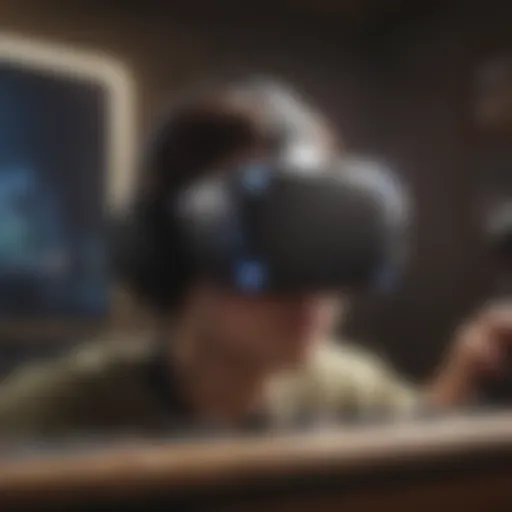
Virtual Reality represents an emerging frontier with potential implications for puzzle movies. By immersing viewers in an elaborate, interactive experience, virtual reality turns spectators into participants. Unlike traditional films, which offer a linear narrative, VR allows for a choose-your-own-adventure style experience. In these spaces, every decision affects the story path, presenting challenges and puzzles that require active problem-solving from the viewer.
Consider The Invisible Hours, a VR title that encapsulates this trend. Within its virtual setting, players unravel the mystery through exploration and interaction, piecing together clues and narratives from multiple perspectives. Such formats expand the concept of puzzle films, as they beckon viewers to not only decode stories but also to experience them physically.
With the ongoing advancements in VR technology, one can only imagine how future puzzle films might evolve. The potential for creating immersive worlds where viewers must engage with puzzles on a sensory level brings a fresh layer to the narrative structure—inviting discussion about the nature of choice, responsibility, and consequence.
The intersection of narrative complexity and technology not only broadens creative horizons but also fosters a fascinating dialogue about the future of storytelling itself.
As puzzle movies continue to integrate new technologies, they remain at the cutting edge of cinematic innovation, captivating audiences while challenging them to think critically about the narratives they consume.
Critical Reception of Puzzle Films
The landscape of puzzle movies is not just defined by their intricate narratives and symbolic representations; it also significantly hinges on how these films are received by audiences and critics alike. Understanding the critical reception is essential to grasp the broader implications of these films in the world of cinema. The unique structure and complexity can evoke a variety of responses, leading to discussions that touch on emotional engagement, storytelling efficacy, and even philosophical interpretations. It is here, in the arena of critical reception, that we find both validation and contention surrounding the puzzle film genre.
Audience Divides
The reception of puzzle films often reveals a stark divide among viewers. Some audiences crave the intellectual stimulation that these intricate narratives provide. They relish the thrill of piecing together clues, often leading to invigorating discussions post-viewing. For them, films like Memento and Mulholland Drive become more than just entertainment; they turn into a cerebral exercise that fosters a deeper appreciation for the craft of filmmaking.
On the other side, some viewers find these films frustrating or alienating. This group often desires straightforward narratives with clear resolutions. They argue that with films like Inception, the complexity overshadows emotional depth and coherency. This friction illustrates a significant aspect of puzzle films: they are not universally appealing. As audiences grapple with convoluted plots and ambiguous endings, the reception tends to reflect personal preferences and expectations surrounding film consumption.
Key points of audience divides include:
- Intellectual Engagement: For many viewers, unraveling puzzles offers a sense of accomplishment.
- Frustration: Some viewers criticize the obtuseness of the plots and perceive a lack of narrative closure.
- Discussions: Films often lead to vibrant discussions among fans, drawing in communities eager to explore meanings and symbols.
Film Critic Perspectives
The landscape of film critique encompasses a broad spectrum of opinions on puzzle films. Critics often analyze these movies through a lens that appreciates or critiques their artistic ambitions. Many critics celebrate the genre for its innovative approaches and willingness to challenge conventional storytelling formats. For instance, The Tree of Life is often praised for its poetic approach and expansive thematic range, while still presenting challenges to audiences who might yearn for linear narratives.
Conversely, other critics may argue that some puzzle films prioritize style over substance. They suggest that captivating visuals and intricate editing can sometimes mask underdeveloped narratives or shallow character arcs. Critics who hold this view might contend that while a film can be technically brilliant, it still must resonate emotionally with its audience.
"Good art should not only challenge us but also connect with us emotionally. If a film fails on either front, it risks alienating its audience."
— A renowned film critic
Critics serve as intermediaries, often guiding audiences through the complex layers of these films while offering their own interpretations. Their reviews significantly shape public perception, guiding potential viewers on whether to engage with these intricate narratives. Moreover, the discourse around puzzle films frequently extends into broader themes such as existentialism, reality perception, and human experience, providing rich fodder for both critiques and discussions.
Notable perspectives from critics:
- Artistic Appreciation: Recognizes innovative narrative structures and thematic depth.
- Emotional Resonance: Emphasizes connection and story coherence as vital components of effective storytelling.
- Guiding Discourse: Acts as a bridge between the film's complexity and audience interpretation.
The Future of Puzzle Movies
As we look ahead, the landscape of puzzle movies is shifting, driven by technological advancements, evolving audience preferences, and a growing appetite for storytelling that challenges conventional norms. The relevance of discussing the future of this genre lies in its potential to influence not just filmmaking but also viewer engagement strategies. Understanding these dynamics can offer insight into how puzzle narratives will continue to evolve, providing more immersive and interactive experiences for fans.
Emerging Trends
- Interactive Storytelling: With platforms like Netflix exploring interactive films, viewers are no longer passive consumers. They can now make choices that shape the narrative. This trend offers a fresh angle for puzzle movies, allowing audiences to engage with plots that require thoughtful decision-making. Such interactivity can heighten immersion, making the experience feel personal and unique.
- Augmented Reality (AR) and Virtual Reality (VR): As technology continues to advance, the integration of AR and VR into puzzle narratives is on the horizon. Imagine stepping into a film where you’re not just watching a character solve a mystery but actively participating in it. This shift can redefine how stories are told, moving beyond traditional screens and into the realm of personal experience.
- Artificial Intelligence: AI-generated content is likely to play a key role in future films. By using algorithms that analyze viewer preferences and behavior, filmmakers can craft narratives that resonate more deeply with audiences. This could lead to hyper-personalized puzzle movies tailored to individual tastes, pushing the boundaries of engagement.
- Diverse Storytelling: There is a growing recognition of the need for diverse narratives in cinema. Puzzle movies that reflect various cultural perspectives and experiences can enhance their relatability and richness. Expect to see stories that not only tease the intellect but also speak to the heart, broadening the scope of what puzzles can convey.
"The future of storytelling lies in the hands of those willing to break the mold and explore uncharted territory."
Anticipated Releases
As buzz builds around upcoming films, several anticipated releases are under the microscope. These adhere to the puzzle genre's essence but promise to take unconventional routes:
- Tenet: Directed by Christopher Nolan, this film continues to spark conversations with its complex narrative structure. Its focus on time inversion presents a unique challenge for viewers, solidifying its place in the puzzle movie genre.
- The Matrix Resurrections: This sequel not only revives a classic narrative but also introspects themes of reality and identity. It has the groundwork laid for layered storytelling that invigorates the genre's core principles.
- Memento: A re-release or a possible sequel could reignite interest in Nolan's earlier work. With its non-linear timeline and memory manipulation, it’s a quintessential puzzle film ripe for further exploration.
- Shutter Island: Rumors of a sequel have emerged, enticing audiences with the idea of returning to a psychologically thrilling world, adding new layers of mystery.
These upcoming films embody the genre’s potential to intertwine intricate plots with thought-provoking themes. By experimenting with technology and narrative forms, the future of puzzle movies promises to be as intriguing and multifaceted as the puzzles themselves.